
Thru the last several thousand years people have been using cosmetics to improve their appearance, mimic animals, or just to look scary for religious festivals. The history of cosmetology is actually older than civilization with ancient nomadic peoples being known to have made up pastes of mud and ash that they applied to their bodies for disguise or to intimidate other tribes until now where people use cosmetology to enhance their own beauty. If you’d like to learn more about the topic and see if your doctor uses Dermatology EMR| PatientNow software.
In the early 21st century it is easy to think of cosmetics as only being used by women, in fact cosmetology has probably been used by both genders throughout its history, although the oldest actual confirmed use of makeup dates to 4000BC from ancient Egypt. Nobility in ancient Egypt used combinations of mercury, lead, ash, and other substances to create black eyeliner and was used to accentuate the shape of the eye.
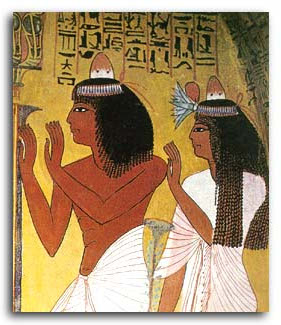
Deodorants such as ground carob pellets were used by priests and nobility alike in ancient Egypt, which was rubbed directly onto the skin such as under the armpits and between the thighs. In the history of cosmetology Egyptian hieroglyphics have provided a wealth of information that helps us understand how cosmetics were used in ancient times.
A few hundred years later mixtures of gum, beeswax, gelatin, and egg with a range of colors were used by Chinese noble families on their fingernails. The brighter colors were only allowed to be worn by nobility as a mark of status, with commoners forbidden from wearing nail polish that was too bright or colorful.
By Roman times, cosmetology had advanced considerably with oils and lotions available and used in perfumes, cleansers, and makeup, as well as in the hair to help keep it in shape. Greasy lotions made from animal fat were often applied to the face and other parts of the body to hide imperfections.
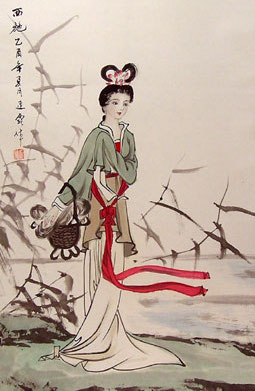
Roman cosmetic manufacturers were amongst the most prolific of the ancient world, with female slaves (known as cosmetae) being used to dissolve various substances in their own saliva. Roman preparations were known even in those times for being highly toxic yet vanity was a curse and an obligatory pass-time in Roman society.
At the same time, advances in wigs and hair dyes allowed anyone with the means to alter their appearance almost immediately and in most cases very satisfactorily. Roman wig makers were in special demand from aging senators and generals for whom public appearance was of paramount concern and where baldness was considered a sign of weakness with too many competitors being younger. In today’s day and age, if you want to get your hair style professionally, you must first make sure that they have the necessary equipment such as those Holsters For Hair Scissors.
In other parts of the world, notably India and the Middle East, henna has been used ever as a decorative covering in often complex designs more reminiscent of a tattoo than modern ideas of makeup application.
By the medieval ages Arab chemists developed the distillation process allowing perfumed oils to be made, amongst other worthy products, yet human vanity first used this process in scale for the pleasure of nobility and wealthy merchants who demanded sweet smelling bodies and clothes.
The reformation period in Europe stands out as one of the highlights of the modern history of cosmetology with the invention of eau to toilette (also known as eau de cologne) which for the first time allowed subtle fragrances that could be sprayed rather than thickly brushed onto the skin.
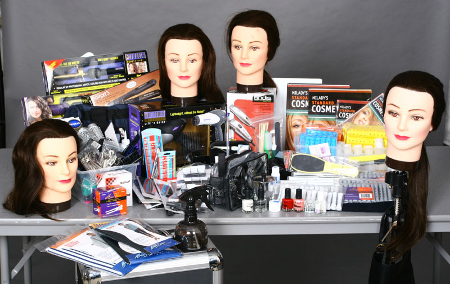
By the time of the late reformation makeup was being used extensively by almost anyone with goals of being accepted by their peers and the nobility, with whitening creams made from white lead in great demand as gentry vainly tried to convince each other they had never seen the light of day.
The 20th century and the advent of Hollywood movies and television has driven cosmetology to new heights of acceptance and availability as people of all ages and types try to emulate their favorite stars. The mass market for cosmetics has never faltered since, and continues to grow as an industry with more and more nations becoming developed.
Significant developments in the 20th century saw the introduction of skin coloring agents such as tanning solutions, chemical based skin lighteners, and multiple colors of old faithfuls such as blush, eye shadow, lipstick, or nail polish. These products have become so common that, from drug store brands to high-end quality products from the inkey list, everything is available in an online chemist shop.
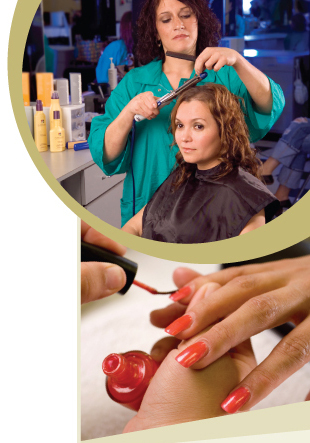
Perhaps the most significant development in the history of cosmetology has been the growth and comparative affordability of cosmetic surgery has gained immense popularity, initially to correct deformities such as burns, but more recently as a simple demonstration of the power of human vanity of nature. Speaking of which, if anyone is looking for good abdominoplasty surgeon, one might want to follow this link. Nowadays, many sites like sheikhahmadcosmeticsurgeon.com, provide the best cosmetic surgery and other cosmetic procedures.
Breast enlargements and breast reduction surgery continue to be amongst the most popular procedures, but with growing trends even amongst men for botox treatments to hide the signs of aging. Check out top botox service in Richmond for best cosmetic surgery.
If you are interested in learning cosmetology, join us and enroll in our cosmetology program!!!

Comments are closed